
1st Oct 2026
Working at height remains one of the leading causes of serious injury in the workplace, spanning everything from routine maintenance on a ladder to complex operations using scaffolding or mobile elevating work platforms (MEWPs). Whatever the task, the risks are real – and largely preventable with the right planning, equipment and awareness.
At Celnor, we know that compliance in this area isn’t just about ticking a box; it’s about building habits and systems that genuinely protect people. Below are ten practical tips to help reduce the risks associated with working at height, whether you’re managing a site, supervising a team, or carrying out the work yourself.
1. Plan the work properly
Assess the risks before starting any task, decide on the most suitable method and equipment, and avoid working at height altogether where a safer alternative exists.
2. Use the right equipment
Select access equipment that’s appropriate to the task and environment. Ladders should be reserved for short-duration jobs only, with other more suitable equipment, e.g. scaffolding or MEWPs (such as cherry pickers), used for more demanding or prolonged work.
3. Inspect equipment before use
Check all equipment (ladders, platforms, harnesses and guardrails etc.), for damage, instability or defects before every use. Faulty equipment should never be used, however minor the task.
4. Ensure a stable working platform
Always work on firm, level ground, and make sure ladders and scaffolding are correctly secured. Makeshift or improvised platforms should be avoided entirely.
5. Maintain three points of contact on ladders
Keep two hands and one foot, or two feet and one hand, in contact with the ladder at all times. Never overreach: move the ladder instead.
6. Use fall protection systems
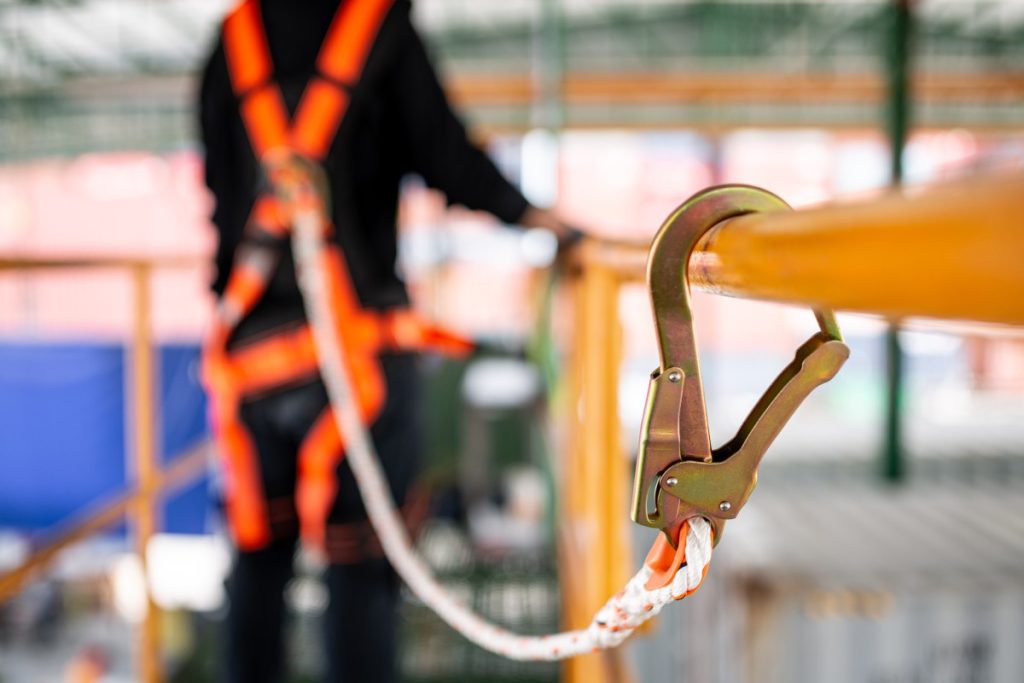
Wear harnesses where required, and make use of guardrails, toe boards or safety nets. All fall protection systems should be correctly fitted and checked before use.
7. Keep work areas tidy
Remove loose materials and trip hazards, secure tools to stop them falling and keep walkways clear.
8. Be aware of weather conditions
Avoid working at height in high winds, rain or icy conditions, as slippery or unstable conditions significantly increase the risk of falls.
9. Provide proper training and supervision
Working at height should only be carried out by trained personnel who understand how to use equipment safely. High-risk tasks must always be supervised.
10. Protect people below
Use barriers or exclusion zones to keep others clear of the work area, secure tools and materials to prevent them falling, and ensure helmets are worn where there is a risk of falling objects.
Working at height will always carry an element of risk, but with the right systems, equipment and expertise in place, that risk can be effectively managed.
Celnor Group member Uni-Safe Access has more than 30 years’ experience helping organisations create safer working environments through specialist safe access and fall protection solutions, including system design and installation, inspections, certification, remedial works and planned preventative maintenance.
Regularly reviewing access systems, equipment and working practices is essential to maintaining compliance and, most importantly, protecting everyone working at height.
